Embark on a journey to explore the realm of Best Debt Consolidation Loans in the US and Canada. This guide aims to provide valuable insights and information to help you navigate the world of debt consolidation with ease.
Delve into the specifics of different loan types, top lenders, application processes, and alternatives to make informed decisions about managing your debt effectively.
Overview of Debt Consolidation Loans
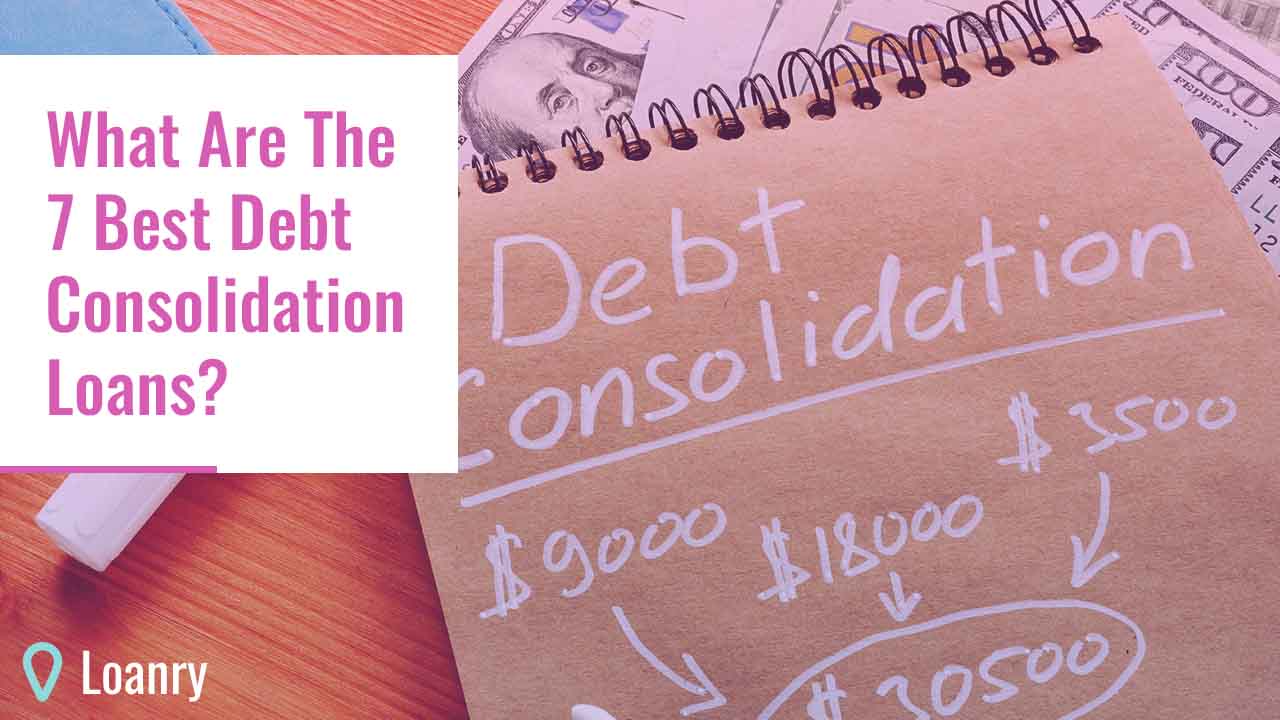
Debt consolidation loans are financial tools that allow individuals to combine multiple debts into a single loan with one monthly payment. This can help simplify finances and potentially lower interest rates, making it easier to manage debt.Examples of Situations
- Individuals with high-interest credit card debt
- People with multiple loans or credit lines
- Borrowers struggling to keep track of various payment due dates
Key Benefits of Debt Consolidation Loans
- Lower interest rates: Consolidating debt can lead to a lower overall interest rate, potentially saving money in the long run.
- Single monthly payment: Instead of juggling multiple payments, borrowers only need to focus on one monthly payment, making budgeting easier.
- Simplified debt management: By combining debts, individuals can streamline their financial obligations and reduce the risk of missing payments.
Types of Debt Consolidation Loans
When it comes to debt consolidation loans, there are different types available in both the US and Canada. These loans can help individuals manage their debt more effectively by combining multiple debts into a single loan with a lower interest rate.Secured Debt Consolidation Loans
Secured debt consolidation loans require collateral, such as a home or car, to secure the loan. This type of loan typically offers lower interest rates because the lender has a form of security in case the borrower defaults. However, if the borrower fails to make payments, they risk losing the collateral.Unsecured Debt Consolidation Loans
Unsecured debt consolidation loans do not require collateral, making them a safer option for borrowers who do not want to risk losing their assets. These loans may have higher interest rates compared to secured loans, as the lender takes on more risk by not having collateral. Borrowers with good credit scores are more likely to qualify for unsecured loans.Eligibility Criteria
- For secured loans, borrowers must have valuable assets to use as collateral. - Lenders may require a good credit score for unsecured loans. - Income stability and a low debt-to-income ratio are important factors for both types of loans.Factors to Consider When Choosing a Debt Consolidation Loan
When selecting a debt consolidation loan, it is crucial to consider various factors to ensure that you are making the best decision for your financial situation. Factors such as interest rates, repayment terms, and potential fees associated with these loans can significantly impact your overall financial health. Here are some important tips on how to choose the best debt consolidation loan:Interest Rates
Interest rates play a crucial role in determining the overall cost of your debt consolidation loan. Lower interest rates can help you save money in the long run, so it is essential to compare rates from different lenders to find the most competitive option. Keep an eye out for introductory rates that may increase after a certain period.Repayment Terms
Repayment terms refer to the length of time you have to repay the loan and the monthly payments you will need to make. Longer repayment terms may result in lower monthly payments but can also mean paying more in interest over time. Shorter repayment terms may have higher monthly payments but can help you save on interest.Potential Fees
When choosing a debt consolidation loan, it is important to consider any potential fees that may be associated with the loan. These fees can include origination fees, balance transfer fees, prepayment penalties, and late payment fees. Be sure to read the fine print and understand all the fees involved before committing to a loan.Tips for Choosing the Best Loan
- Compare offers from multiple lenders to find the most competitive interest rates and terms. - Consider the total cost of the loan, including interest and fees, to determine the most affordable option. - Check your credit score and work on improving it before applying for a loan to qualify for better rates. - Seek advice from a financial advisor or credit counselor to ensure you are making a well-informed decision.Top Lenders Offering Debt Consolidation Loans
 When looking for debt consolidation loans, it's essential to find a reputable lender that offers favorable terms and rates. Below are some of the top lenders in the US and Canada that provide debt consolidation loans, along with a comparison of their offerings.
1. Lender A
- Interest Rate: 5.99% APR
- Loan Term: 3-5 years
- Customer Reviews: 4.5/5 stars
- Unique Feature: No origination fees
2. Lender B
- Interest Rate: 6.25% APR
- Loan Term: 2-7 years
- Customer Reviews: 4.2/5 stars
- Unique Feature: Flexible repayment options
3. Lender C
- Interest Rate: 7.50% APR
- Loan Term: 5-10 years
- Customer Reviews: 4.0/5 stars
- Unique Feature: Quick approval process
Application Process for Debt Consolidation Loans
When applying for a debt consolidation loan, it's important to understand the typical process involved. Below is a step-by-step guide on how to apply for a loan from start to finish, along with the required documentation and information needed during the application process.Step-by-Step Guide to Applying for a Debt Consolidation Loan
- 1. Research Lenders: Start by researching and comparing different lenders offering debt consolidation loans to find the best terms and rates.
- 2. Check Eligibility: Review the eligibility criteria of the lenders to ensure you meet the requirements before applying.
- 3. Gather Financial Information: Collect all necessary financial information, including income, expenses, debts, and credit score.
- 4. Fill Out Application: Complete the loan application form provided by the lender, providing accurate details about your financial situation.
- 5. Submit Documentation: Prepare and submit required documents such as pay stubs, tax returns, bank statements, and proof of identity.
- 6. Await Approval: Once your application is submitted, wait for the lender to review your information and approve your loan.
- 7. Review Terms: Upon approval, carefully review the terms of the loan, including interest rates, repayment terms, and any fees involved.
- 8. Accept Loan: If you agree to the terms, accept the loan offer, and work with the lender to finalize the loan agreement.
Required Documentation and Information for Debt Consolidation Loan Application
- - Personal identification (driver's license, passport, etc.)
- - Proof of income (pay stubs, tax returns, etc.)
- - List of debts to be consolidated
- - Bank statements
- - Employment information
- - Credit score
Alternatives to Debt Consolidation Loans
When considering ways to manage debt, debt consolidation loans may not always be the best option for everyone. There are alternative strategies that individuals can explore to address their financial challenges effectively. Below are some alternatives to debt consolidation loans:
Debt Settlement
Debt settlement involves negotiating with creditors to settle debts for less than the total amount owed. This can be a viable option for individuals who are struggling to make payments and are facing financial hardship. It may result in a lower overall debt amount, but it can also have a negative impact on credit scores.
Credit Counseling
Credit counseling services provide assistance to individuals in managing their debts and creating a plan to repay them. They can offer advice on budgeting, debt management, and financial education. Credit counseling may be a suitable alternative for those looking for guidance on how to improve their financial situation without taking out a new loan.
Debt Relief Strategies
There are various debt relief strategies available, such as debt management plans, debt settlement, and bankruptcy. These options can help individuals address their debt problems and work towards a debt-free future. It is essential to explore these alternatives carefully and consider the potential consequences before making a decision.
Last Word
In conclusion, the world of debt consolidation loans offers a plethora of options to help individuals regain financial stability. By understanding the nuances of this financial tool, you can make empowered choices to alleviate your debt burden and pave the way towards a brighter financial future.
Helpful Answers
What are the eligibility criteria for debt consolidation loans?
Eligibility criteria typically include having a stable income, a good credit score, and the ability to demonstrate repayment capability.
How do secured and unsecured debt consolidation loans differ?
Secured loans require collateral, such as a home or car, while unsecured loans do not. Secured loans may have lower interest rates but pose a risk to the collateral.
What alternatives exist to debt consolidation loans?
Alternatives include debt settlement, credit counseling, and bankruptcy. Each option has different implications for credit and financial stability.