Embark on a journey through the intricacies of Homeowners Insurance Quote Factors That Affect Premium Costs, delving into the key elements that shape insurance premiums.
Explore how location, property specifics, personal factors, and coverage options intertwine to determine the cost of homeowners insurance.
Factors Influencing Homeowners Insurance Premiums
Homeowners insurance is a type of property insurance that provides financial protection to homeowners in the event of damage to their property or belongings. It typically covers damages caused by fire, theft, vandalism, and certain natural disasters.
Key Factors Considered by Insurance Companies
Insurance companies take into account several key factors when determining the premiums for homeowners insurance policies. These factors can vary depending on the insurance provider, but some common considerations include:
- The location of the property: Homes located in areas prone to natural disasters such as hurricanes, earthquakes, or wildfires may have higher premiums.
- The age and condition of the home: Older homes or properties in poor condition may be more expensive to insure due to a higher risk of damage.
- The coverage amount: Higher coverage limits will result in higher premiums, as the insurance company will have to pay out more in the event of a claim.
- The homeowner's claims history: Homeowners who have filed multiple claims in the past may be seen as higher risk and could face higher premiums.
- The presence of safety features: Homes with security systems, smoke detectors, and fire alarms may be eligible for discounts on insurance premiums.
Location-Based Factors
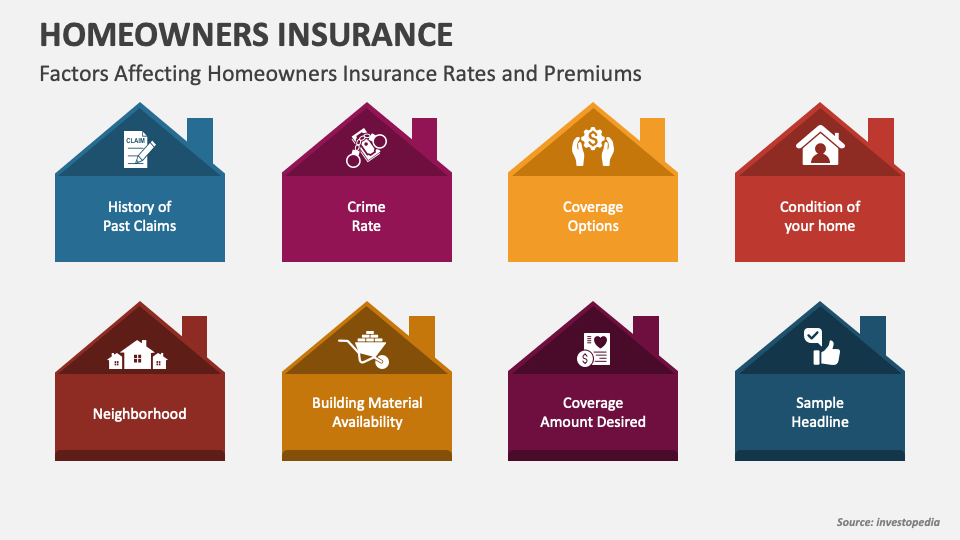
When it comes to homeowners insurance premiums, the location of a home plays a significant role in determining the cost. Insurance companies take into account various geographical factors that can impact the likelihood of a claim being filed, which in turn affects the premium rates.
Geographical Factors Influencing Premium Costs
- The crime rate in the area: Homes located in high-crime areas are at a greater risk of burglary or vandalism, leading to higher insurance premiums.
- Distance to the nearest fire station: Proximity to a fire station can affect response times in case of a fire, influencing premium costs.
- Local weather patterns: Areas prone to severe weather events such as hurricanes, tornadoes, or hailstorms may have higher insurance rates due to the increased risk of property damage.
- Historical data on natural disasters: Insurance companies consider the history of natural disasters in an area when determining premiums, as homes in disaster-prone regions are more likely to experience damage.
Impact of Proximity to Natural Disaster-Prone Areas
Living in close proximity to natural disaster-prone areas can significantly impact homeowners insurance rates. Homes located in regions prone to hurricanes, earthquakes, floods, or wildfires are considered high-risk properties by insurance companies, leading to higher premiums to offset the potential costs of claims resulting from such disasters.
Property-Specific Factors
When it comes to homeowners insurance premiums, various property-specific factors play a crucial role in determining the cost of coverage. Factors such as home value, age, construction materials, and safety features can all impact how much you pay for insurance protection.Home Value
The value of your home is a significant factor that influences your insurance premium. Generally, the higher the value of your property, the more expensive your insurance premium will be. This is because a more valuable home typically requires higher coverage limits to adequately protect against potential risks and losses.Age of the Home
The age of your home is another key factor that insurers consider when determining your premium. Older homes may be more susceptible to damage or wear and tear, which can increase the likelihood of filing a claim. As a result, older homes often have higher insurance premiums compared to newer properties.Construction Materials
The materials used to construct your home can also impact your insurance costs. Homes built with fire-resistant materials such as brick or concrete may qualify for lower premiums due to their reduced risk of fire damage. On the other hand, homes constructed with flammable materials like wood may face higher insurance rates.Safety Features
Installing safety features in your home, such as security systems, smoke detectors, and fire alarms, can help lower your insurance premiumsPersonal Factors
When it comes to determining homeowners insurance premiums, personal factors play a significant role in the calculation. Factors such as credit score and claims history can greatly influence the cost of your insurance coverage.Credit Score Impact
Maintaining a good credit score is crucial for obtaining lower insurance costs. Insurance companies often use credit-based insurance scores to assess the risk of insuring a homeowner. A higher credit score indicates financial responsibility and is typically associated with lower insurance premiums. On the other hand, a lower credit score may result in higher premium rates.Claims History Influence
Your past claims history can also impact your current premium rates. If you have made multiple claims in the past, insurance companies may view you as a higher risk policyholder. As a result, you may face increased premiums to offset the perceived risk of insuring your property. On the contrary, homeowners with a clean claims history are likely to enjoy lower premium costs.Coverage Options and Limits
When it comes to homeowners insurance, there are various coverage options available to protect your home and belongings. These options can range from basic coverage to more comprehensive policies, each offering different levels of protection.
Coverage limits play a crucial role in determining your premium costs. These limits define the maximum amount your insurance company will pay out in the event of a covered loss. The higher the coverage limits, the more protection you have, but this also means higher premium costs.
Types of Coverage Options
- Structural Coverage: This protects the physical structure of your home, including the walls, roof, and foundation.
- Personal Property Coverage: This covers your personal belongings, such as furniture, clothing, and electronics.
- Liability Coverage: This provides financial protection if someone is injured on your property and decides to sue.
- Additional Living Expenses Coverage: This helps cover the costs of temporary housing if your home becomes uninhabitable due to a covered loss.
Impact of Coverage Limits on Premium Costs
The coverage limits you choose directly impact your premium costs. Higher coverage limits mean more protection but also result in higher premiums. It's essential to strike a balance between adequate coverage and affordability when selecting your policy.
Relationship Between Coverage Levels and Premium Amounts
- The higher the coverage levels you choose, the more you will pay in premiums.
- Lower coverage levels may reduce your premium costs, but it's crucial to ensure you have enough coverage to protect your home adequately.
- Discussing your coverage needs with your insurance agent can help you determine the right balance between coverage levels and premium amounts.
Last Recap

In conclusion, understanding these factors is crucial in navigating the realm of homeowners insurance, enabling informed decisions and optimal coverage.
Q&A
How does the location of my home affect my insurance premiums?
The location of your home plays a significant role in determining insurance premiums. Homes in high-risk areas may face higher premiums due to increased chances of claims.
Why is maintaining a good credit score important for insurance costs?
Insurance companies often use credit scores as a factor in calculating premiums. A good credit score can lead to lower insurance costs as it indicates financial responsibility.
What are some common coverage options in homeowners insurance policies?
Common coverage options include dwelling coverage, personal property coverage, liability coverage, and additional living expenses coverage.