Exploring the world of debt consolidation loans for bad credit borrowers unveils a realm of financial possibilities and solutions. As individuals strive to navigate the complexities of managing debt with a less-than-perfect credit history, the emergence of tailored loan options offers a glimmer of hope and a path towards financial stability. Let's delve into the intricacies of securing the best debt consolidation loans for bad credit borrowers and unravel the key considerations and benefits that accompany this financial endeavor.
Introduction to Debt Consolidation Loans for Bad Credit Borrowers
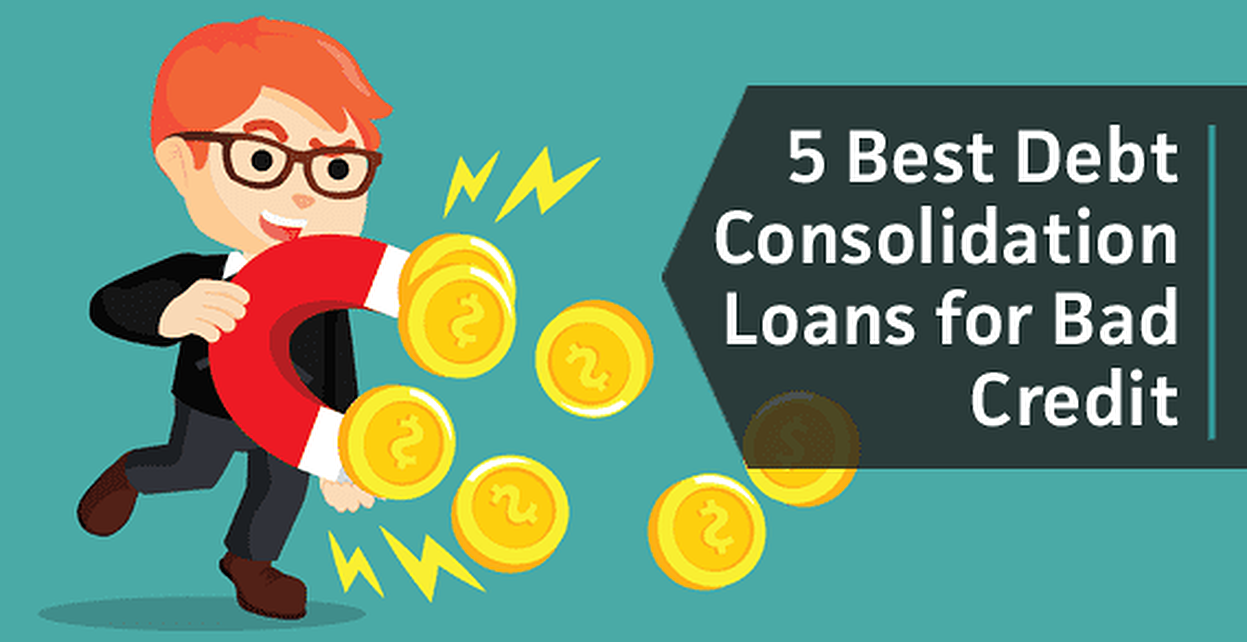
Debt consolidation loans are financial products designed to help individuals with multiple debts streamline their payments by combining them into a single loan. This can benefit borrowers with bad credit by potentially lowering their overall monthly payments and interest rates.
For individuals with a low credit score, consolidating debt can be crucial in improving their financial situation. By consolidating multiple debts into one, bad credit borrowers can better manage their payments, avoid missed deadlines, and work towards rebuilding their credit score.
Examples of Situations Where Debt Consolidation Loans Can Be Useful for Bad Credit Borrowers
- Scenario 1: John, a bad credit borrower, has multiple high-interest credit card debts with varying due dates. By taking out a debt consolidation loan, he can combine these debts into one, potentially securing a lower interest rate and simplifying his payment schedule.
- Scenario 2: Sarah, another bad credit borrower, is struggling to keep up with payments on her personal loan, credit card, and medical bills. With a debt consolidation loan, she can merge these debts into a single monthly payment, making it easier to budget and potentially save on interest costs.
Types of Debt Consolidation Loans Available for Bad Credit Borrowers
When it comes to debt consolidation loans for individuals with bad credit, there are several options available to help manage and consolidate existing debts effectively. Here, we will discuss the different types of debt consolidation loans tailored specifically for bad credit borrowers.Secured vs. Unsecured Debt Consolidation Loans
Secured debt consolidation loans require collateral, such as a home or car, to secure the loan. This collateral reduces the risk for the lender, making it easier for bad credit borrowers to qualify. However, the borrower risks losing the collateral if they default on the loan.
On the other hand, unsecured debt consolidation loans do not require collateral, but they often come with higher interest rates and stricter eligibility requirements. Bad credit borrowers may find it more challenging to qualify for unsecured loans, but they do not risk losing their assets in case of default.
Traditional Bank Loans, Credit Union Loans, and Online Lenders
Traditional banks typically offer debt consolidation loans to borrowers with good credit scores. However, some banks may have specific programs or options for bad credit borrowers, albeit with higher interest rates.
Credit unions are known for offering more flexible terms and lower interest rates compared to traditional banks. Bad credit borrowers may have a better chance of qualifying for a debt consolidation loan from a credit union, especially if they are a member.
Online lenders have become increasingly popular for debt consolidation loans, especially for bad credit borrowers. These lenders often have less stringent requirements and may be more willing to work with individuals with lower credit scores. However, borrowers should be cautious of higher interest rates and fees associated with online lenders.
Factors to Consider When Choosing a Debt Consolidation Loan
When selecting a debt consolidation loan, bad credit borrowers need to carefully consider various factors to ensure they make the best decision for their financial situation.Interest Rates
- Compare interest rates from different lenders to find the most competitive option.
- Consider fixed-rate loans for more predictable monthly payments.
- Avoid loans with high-interest rates that could lead to increased debt over time.
Repayment Terms
- Look for loans with flexible repayment terms that suit your budget and financial goals.
- Consider the length of the loan term and how it will impact your overall repayment timeline.
- Avoid loans with short repayment terms that could result in unmanageable monthly payments.
Fees
- Be aware of any upfront fees or hidden costs associated with the loan.
- Avoid loans with excessive fees that could add to your overall debt burden.
- Consider the total cost of the loan, including fees, to determine the true affordability.
Improving Qualification Chances
- Work on improving your credit score before applying for a debt consolidation loan.
- Provide accurate and up-to-date financial information to lenders to increase your chances of approval.
- Consider adding a co-signer with good credit to strengthen your loan application.
Pros and Cons of Debt Consolidation Loans for Bad Credit Borrowers
Debt consolidation loans can be a helpful tool for individuals with bad credit looking to manage their debts more effectively. However, like any financial decision, there are both advantages and disadvantages to consider before pursuing this option.Advantages of Debt Consolidation Loans for Bad Credit Borrowers
- Streamlined Payments: By consolidating multiple debts into one loan, borrowers can simplify their repayment process and focus on a single monthly payment.
- Potential Lower Interest Rates: Debt consolidation loans may offer lower interest rates compared to the rates on existing debts, helping borrowers save money over time.
- Improved Credit Score: Making timely payments on a debt consolidation loan can positively impact a borrower's credit score, potentially leading to better financial opportunities in the future.
Drawbacks of Debt Consolidation Loans for Bad Credit Borrowers
- High Fees: Some debt consolidation loans come with origination fees, closing costs, or other charges that can add to the overall cost of the loan.
- Risk of Secured Loans: If a borrower opts for a secured debt consolidation loan, they risk losing collateral (such as their home or car) if they fail to make payments.
- Extended Repayment Period: While a lower monthly payment may be appealing, extending the repayment period with a debt consolidation loan can result in paying more interest over time.
Maximizing Benefits and Mitigating Risks
- Shop Around: Compare offers from multiple lenders to find the best terms and interest rates for a debt consolidation loan.
- Create a Budget: Develop a realistic budget to ensure you can afford the new loan payment and avoid falling back into debt.
- Seek Financial Counseling: Consider working with a credit counselor to develop a plan for managing debt and improving financial habits.
Final Summary
In conclusion, the journey towards finding the best debt consolidation loans for bad credit borrowers is not merely a quest for financial assistance, but a strategic move towards reclaiming control over one's financial well-being. By carefully weighing the pros and cons, understanding the nuances of different loan types, and proactively improving creditworthiness, individuals can embark on a transformative journey towards debt freedom and financial empowerment.
Popular Questions
Can I qualify for a debt consolidation loan with bad credit?
Yes, there are lenders who specialize in offering debt consolidation loans to individuals with bad credit. While the terms may vary, it is possible to find a suitable loan option.
What are the typical interest rates for debt consolidation loans for bad credit borrowers?
Interest rates for debt consolidation loans can vary depending on the lender and the borrower's credit profile. Bad credit borrowers may encounter higher interest rates compared to those with good credit.
Are there any fees associated with debt consolidation loans for bad credit borrowers?
Yes, there may be fees such as origination fees, late payment fees, or prepayment penalties. It's important to review the loan terms carefully to understand all associated costs.